United Arab Emirates: Seven Emirates, One Shared Vision


Welcome to a region that fascinates and surprises: the United Arab Emirates. Many people immediately think of glittering skyscrapers and luxury shopping malls. But behind the modern façade lies a long history, a distinctive culture and an ambition that reaches far beyond the present. Join us on a journey through time – from the earliest traces of human life to the UAE’s vision for the future.
The UAE at a glance
The United Arab Emirates (UAE) is a federation of seven emirates: Abu Dhabi, Dubai, Sharjah, Ajman, Umm Al Quwain, Ras Al Khaimah and Fujairah. The federation was founded on 2 December 1971, with Ras Al Khaimah joining in 1972. Geographically, the UAE sits on the south-eastern edge of the Arabian Peninsula, with coastlines on the Arabian Gulf and the Gulf of Oman. Its main land borders are with Saudi Arabia and Oman.

The strengths and distinctive character of the seven emirates
Abu Dhabi: The largest emirate by area and the political and energy centre of the UAE. It is known for major investment in industry and culture, including Saadiyat Island and other large-scale projects. Vast desert and coastal landscapes define much of its geography.

Dubai: A global hub for trade, aviation, real estate, tourism and events. Dubai is known for exceptionally rapid growth and an international outlook.

Sharjah: Often described as the cultural heart of the UAE, with a strong focus on education, museums, family life and tradition. Sharjah also has territories on the east coast by the Gulf of Oman.

Ajman: The smallest emirate, with a more down-to-earth atmosphere and often more accessible prices. It combines beaches, local businesses and a strong everyday feel.

Umm Al Quwain: Quieter and more nature-oriented, with lagoons, mangroves and a relaxed atmosphere that suits outdoor activities and slower travel.

Ras Al Khaimah: Known for its mountains, especially Jebel Jais, as well as nature and adventure tourism. The emirate has a growing tourism and industrial sector and is often seen as one of the UAE’s most underrated destinations.

Fujairah: The only emirate located entirely on the east coast, facing the Gulf of Oman. It combines sea and mountains, excellent diving opportunities and an important role in ports and logistics.
Now let’s step back into the history of the region.

1) Before there were “Emirates”: the earliest traces of human life
Many people associate the region with Islam, oil and skyscrapers. Archaeologically, however, the story of the UAE begins thousands of years earlier.
7,000 years – and even more: life before Islam
Neolithic settlements have been documented in the UAE dating back roughly 7,000 years – long before Islam and the ruling dynasties of the modern era. Early sites, including islands and coastal areas around Abu Dhabi, show that people lived here, used marine resources, traded and moved between the coast and the interior.
There is also evidence of even earlier human presence in the wider region, including stone tools and traces of prehistoric activity in south-eastern Arabia. These finds show that, depending on climatic conditions, the area could be habitable, attractive and part of ancient migration and trade routes.

2) Ancient names and trading worlds: from “Magan” to the pearl coast
“Magan” in early written sources
Very early Mesopotamian sources mention a place called “Magan”, associated with copper trade and seafaring. Scholars often locate Magan in Oman and the south-eastern Arabian Peninsula – the wider cultural and economic region that also included parts of today’s UAE.
The Bronze Age: Umm al-Nar and traces of early complex societies

The Umm al-Nar culture of the Bronze Age is especially well known and left important traces in present-day Abu Dhabi and beyond: tombs, settlements and trade links. These remains point to organised communities, craftsmanship, exchange networks and a society that was far more complex than the stereotype of “only nomads”.
3) How did early communities live? Culture, trade and belief before modernisation accelerated everything
Coast and interior: two worlds, one rhythm
Daily life was shaped above all by climate, water and trade routes:
Coast: fishing, boatbuilding, later pearl diving, and trade with India, Persia and East Africa.

Oases and inland areas: date palms, goats and camels, seasonal movement, and the protection of water sources and trading routes.
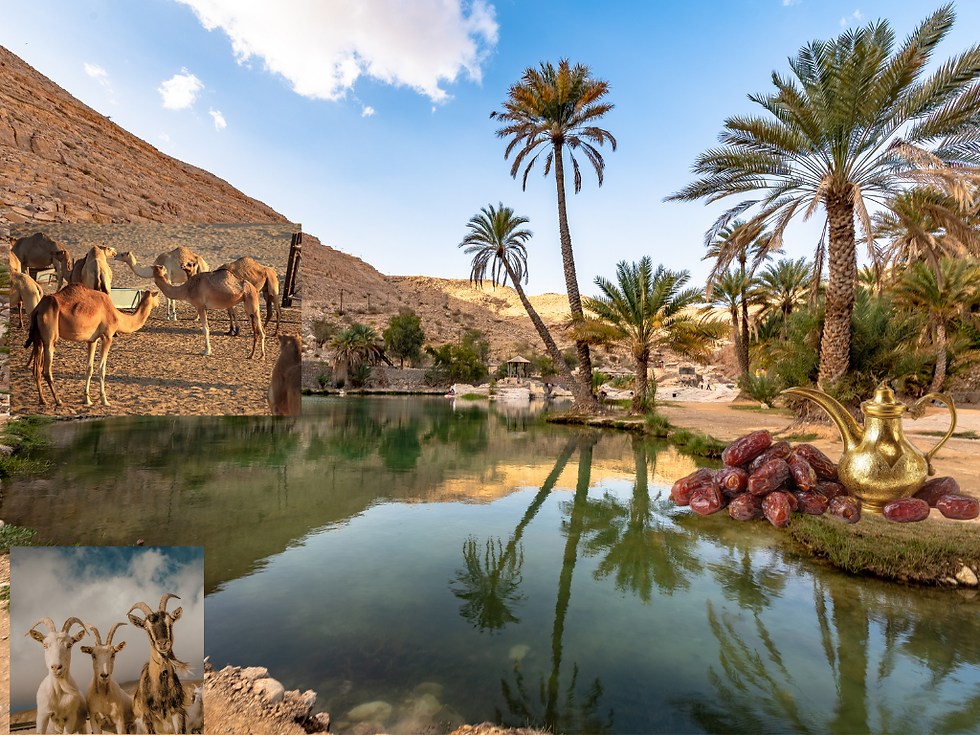
This way of life helped shape values such as hospitality, tribal loyalty, honour and protection of the family. Pragmatism mattered too: in an arid environment, control of water often meant control of life.
Belief before Islam
Before the spread of Islam, the Arabian Peninsula was home to a range of religious practices and influences, including local cults, regional traditions and ideas carried through trade. Islam is historically recent compared with the many millennia of human history documented archaeologically in the region – and that depth is part of what makes the UAE’s past so fascinating.

4) Bedouins – where the term comes from, why people moved and how settlement developed

The word “Bedouin” does not describe a single people. It refers primarily to a way of life: nomadic or semi-nomadic, adapted to desert and grazing lands.
Permanent settlement did not happen at one single moment. It developed gradually over centuries:
around oases, through agriculture and trade,
along coastal towns, through fishing, pearling and port trade,
and later accelerated dramatically by state formation, infrastructure, education, employment and, of course, oil revenues in the 20th century.
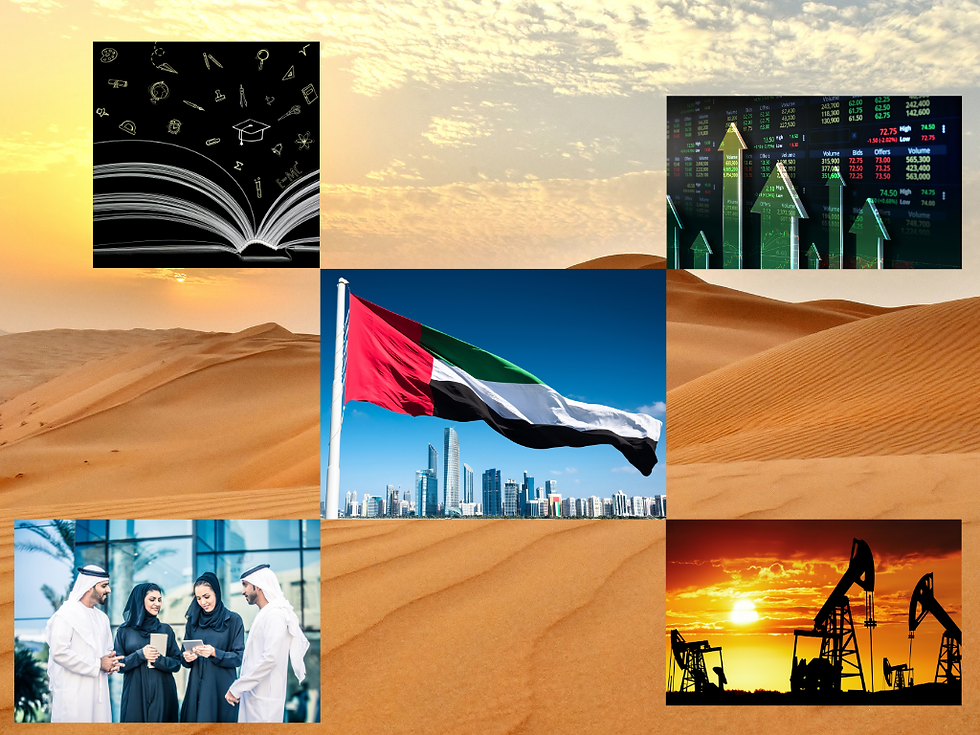
5) Which “emirates” came first? From port towns to ruling families
It is important to distinguish between early towns in the region and the emirates as political entities, which emerged much later.
An early name in the historical record: Julfar, in present-day Ras Al Khaimah
Julfar, in the area of present-day Ras Al Khaimah, appears in early travel and trading accounts and was historically known as an important port and commercial centre.

Ruling families and political sheikhdoms in the 18th and 19th centuries
The coastal sheikhdoms became increasingly recognisable as political entities in the modern period:
Bani Yas – Abu Dhabi, later associated with the Al Nahyan family
Al Maktoum – Dubai
Al Qasimi – Sharjah and Ras Al Khaimah
These families shaped trade, security and alliances – as well as conflicts.
6) Conflict, maritime power and Britain: the Trucial States and the long shadow of empire

Why did Britain become involved?
In the 18th and 19th centuries, the Gulf was a key route to India. Britain sought to protect shipping, secure its influence and safeguard trade routes.
This led to military pressure and a series of agreements:
1820: the General Maritime Treaty, following British military action
Later truces and agreements gave rise to the term “Trucial States”.
1892: an Exclusive Agreement tied the sheikhdoms’ external relations closely to Britain.
This was not a colony in the classic sense, but it created a system in which local rulers largely managed internal affairs while Britain played a dominant role in foreign relations.
7) The First and Second World Wars – and the real economic shock: the collapse of pearling
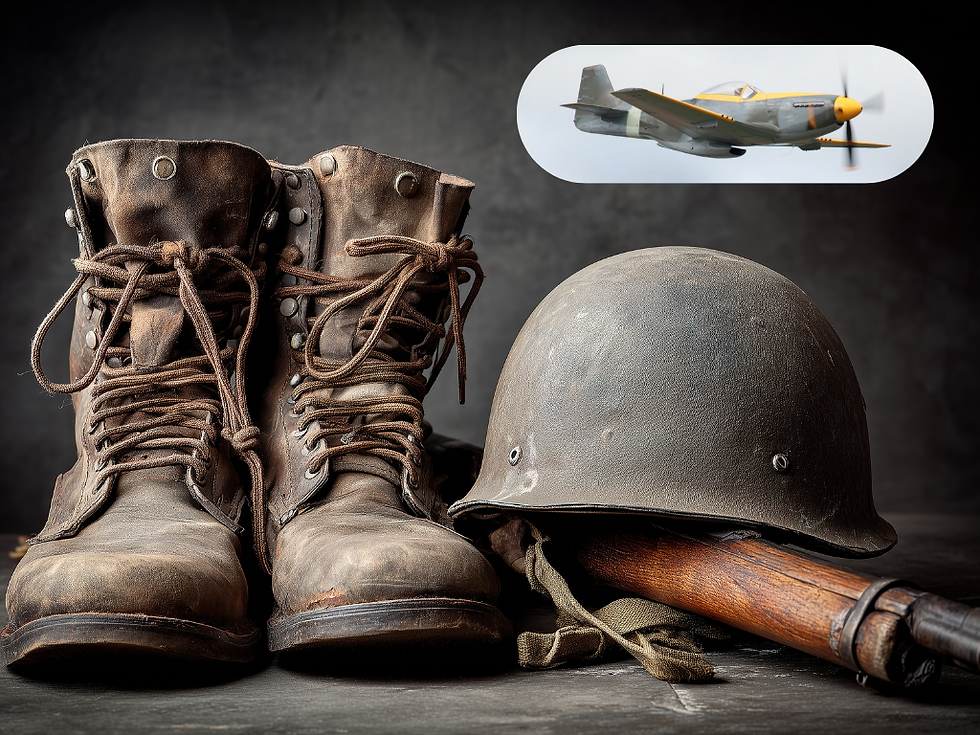
The world wars affected the region indirectly through disrupted trade, uncertainty and shifting global power structures.
The much harder blow to the coastal economies came from two developments:
the Great Depression
and the rise of cultured pearls from Japan.
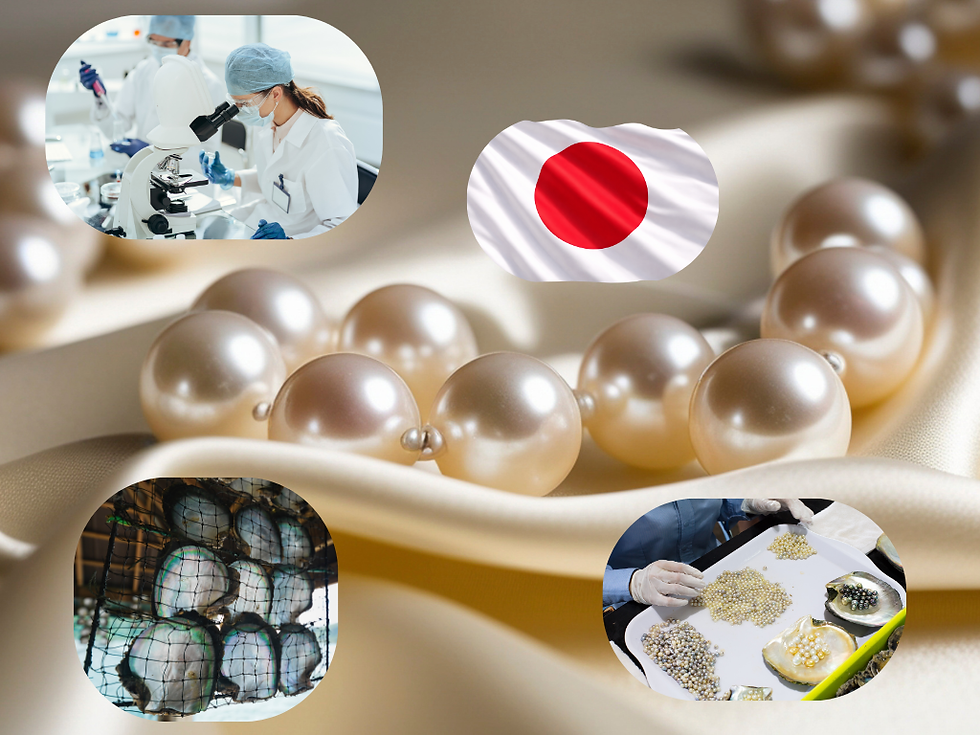
Together, these developments caused the traditional Gulf pearl industry to collapse dramatically – an economic turning point that pushed many families into hardship and dependence.
Currencies and payments – how people paid before the dirham
Long before today’s dirham became part of everyday life, payment in the region was much more flexible. Barter was common in coastal towns and oases – fish, dates, pearls, textiles and tools could all serve as exchange goods – while traders used currencies circulating along regional trade routes, especially the Indian rupee, which was widely used across the Gulf.

Before the federation: which currencies did the individual emirates use?
1959–1966: Gulf Rupee. In 1959, India introduced a special Gulf Rupee for the Gulf protectorates, including the Trucial States. After India devalued the rupee in 1966, many Gulf states moved to other currencies.

1966–1973: two currencies in parallel. After 1966, Abu Dhabi used the Bahraini Dinar, while Dubai and most of the other emirates mainly used the Qatar and Dubai Riyal.

When was the UAE dirham introduced?
The UAE dirham (AED) was introduced as the national currency in May 1973 and officially entered circulation on 19 May 1973. The Qatar and Dubai Riyal was exchanged at 1:1, while the Bahraini Dinar was converted at 1 dinar to 10 dirhams.
A short currency timeline:
before 1959: barter and trade, with the Indian rupee commonly circulating in the region
1959–1966: Gulf Rupee
1966–1973: Abu Dhabi – Bahraini Dinar | Dubai and the other emirates – Qatar and Dubai Riyal
from 19 May 1973: UAE Dirham (AED)

8) Oil: the moment that accelerated everything – exploration, exports and a new era
When and where did it begin?
Major oil discoveries were made in Abu Dhabi in the late 1950s, followed by the first exports in the early 1960s. Oil was discovered in Dubai in the 1960s, including the Fateh field, with exports beginning later that decade.
Oil was not simply a source of money. It became the catalyst for:
infrastructure – roads, ports and airports,
healthcare,
education,
public administration,
and modernisation at a speed seen in very few places in the world.

Oil today: scale and direction
The UAE has very large proven oil reserves. Estimates from sources such as the U.S. Energy Information Administration have placed reserves at around 111 billion barrels in the early 2020s. At the same time, ADNOC has invested heavily in expanding production capacity, with a stated target of reaching 5 million barrels per day of capacity by 2027.
9) Independence and federation: from the Trucial States to the United Arab Emirates
When Britain announced that it would end its protective treaties in the Gulf, the region faced a fundamental choice: remain a collection of small states or build a federation.
On 2 December 1971, the federation was established with six emirates. Ras Al Khaimah joined in 1972.

Who played the leading role?
Abu Dhabi played a central political and financial role in the creation of the federation, with Sheikh Zayed bin Sultan Al Nahyan as one of its key architects, working closely with Dubai’s leadership and the rulers of the other emirates. Abu Dhabi remains the federal capital today.
10) Enclaves and exclaves – and why this complicated map works surprisingly well
The UAE’s map is anything but simple. Its borders grew out of tribal territories, water rights, access to the coast and mountain geography.
The best-known example: Madha and Nahwa
Madha: an Omani enclave inside the UAE


Nahwa: a Sharjah enclave located inside Madha
This “enclave within an enclave” is one of the region’s most unusual geographical curiosities.


Sharjah’s east-coast exclaves: Sharjah also has territories on the Gulf of Oman that are geographically separated from its main area. In practice, the system works because roads, administration and security are coordinated across the federation – and because pragmatism has long mattered more here than drawing a perfectly neat map.
11) The economy today: diversification at speed – oil, real estate and tourism
Overall growth and diversification
The UAE now generates much of its growth outside the oil sector. The Central Bank of the UAE estimated real GDP growth of around 3.9% in 2024, supported by a strong non-oil economy, while non-oil foreign trade in goods exceeded AED 2.8 trillion in 2024.
Real estate: Dubai as one of the most visible growth engines
Dubai’s property market reached a record total transaction value of AED 760.99 billion in 2024 according to the Dubai Land Department, up 20.4% year on year. The market reflects Dubai’s position as a global product in its own right: ownership models, residency programmes, international demand and strong luxury and off-plan segments all play a role.

Tourism: Dubai as a global magnet – with Abu Dhabi growing too
Dubai reported 18.72 million international visitors in 2024 in its official tourism figures. Abu Dhabi has also recorded strong growth in hotel guests and continues to pursue an ambitious tourism strategy towards 2030.

12) “Look at everything they have built” – and why the world keeps watching
What makes the Emirates stand out is not only what has been built, but how quickly it happened:
ports, airports, metro systems and motorways
entire districts created almost from scratch
mega-projects in culture, leisure and hospitality
In historical terms, this transformation happened in an extraordinarily short period – which is why parts of the UAE can sometimes feel like science fiction unfolding in real time.

13) Looking ahead: how do the Emirates want to develop towards 2040?
Several strategies are running in parallel at federal and emirate level. One of the clearest 2040 frameworks is Dubai’s urban strategy:
Dubai 2040 Urban Master Plan – the core idea
The plan focuses on quality of life, green space, better mobility, sustainable urban centres and growth that is meant to become not just bigger, but better. At the same time, the UAE is pursuing long-term programmes around economic diversification, investment, sustainability, net-zero ambitions and international partnerships.

14) Who rules today? The ruling families of the seven emirates
Abu Dhabi: Sheikh Mohamed bin Zayed Al Nahyan
Dubai: Sheikh Mohammed bin Rashid Al Maktoum
Sharjah: Sheikh Dr Sultan bin Mohammed Al Qasimi
Ajman: Sheikh Humaid bin Rashid Al Nuaimi
Umm Al Quwain: Sheikh Saud bin Rashid Al Mu’alla
Ras Al Khaimah: Sheikh Saud bin Saqr Al Qasimi
Fujairah: Sheikh Hamad bin Mohammed Al Sharqi
Final thoughts: for anyone drawn to the sea, Arabia and possibility
The Emirates are far more than “just Dubai”. They are seven distinct personalities connected by a shared idea of security, stability, growth and the future. Sea meets desert, modern skylines stand beside old souks, spice markets sit alongside designer stores – and between all of it is the feeling that something new is constantly taking shape.
If you are drawn to Arabian atmosphere, Middle Eastern food, warm evenings by the water – and perhaps even the idea of investing, building a business or developing a career – the Emirates can be the kind of place that either fascinates you immediately or simply refuses to let go.

If you made it all the way here, thank you for taking the time to travel with us through the history and present-day story of the Emirates.


